




A calm, practical approach to layering baby clothes through spring, summer, autumn and winter — what to choose, how many layers, and how to check if your baby is comfortable.
Babies do not regulate their body temperature the way adults do. That is why the same outfit can be perfect at 8am and too warm by lunchtime. Layering is the simplest answer: it lets you add or remove a thin, breathable piece without changing the whole outfit, and it keeps nappy changes quick and calm.
Start with a soft, breathable base layer
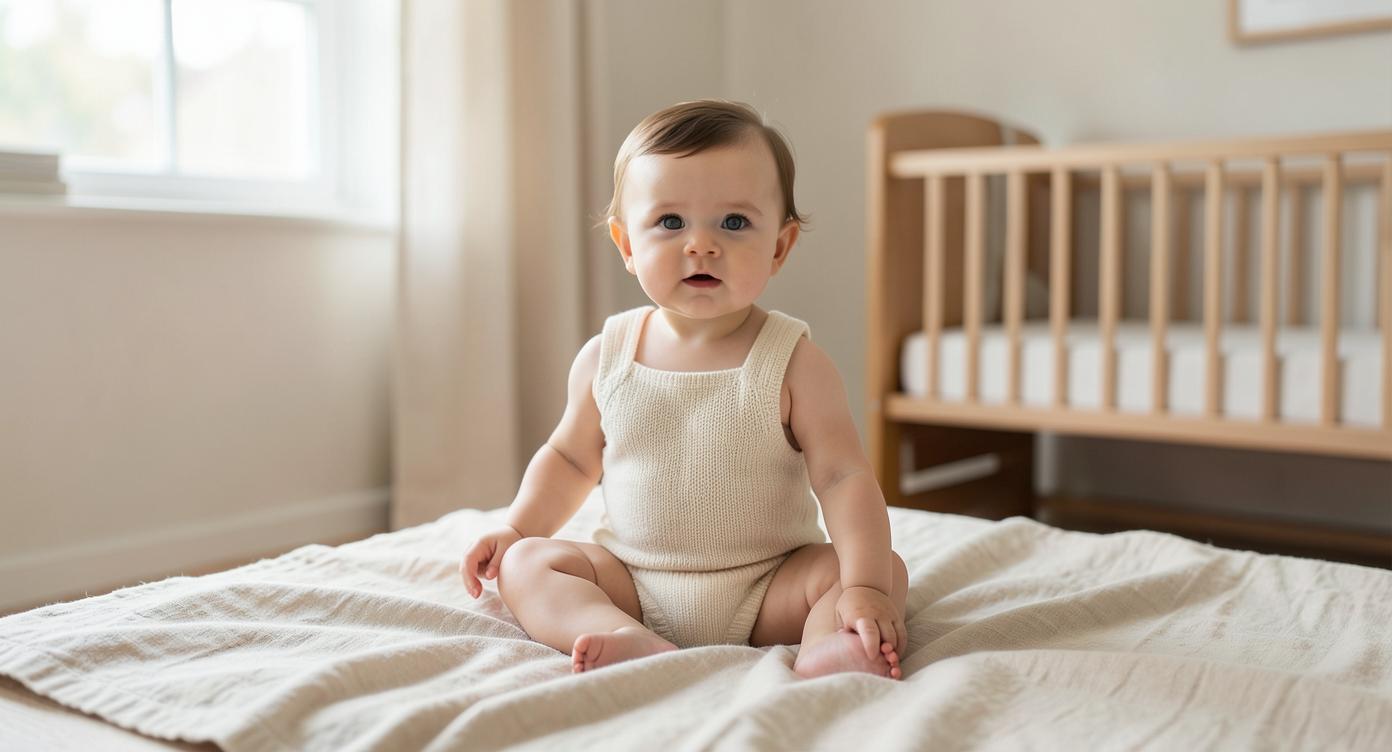
The layer closest to your baby's skin does most of the work. Choose cotton, bamboo or a cotton-modal blend that feels smooth and lets air move. Look for flat seams, a wide neckline that stretches easily, and poppers that open all the way down the front or between the legs.
- Warm days: a short-sleeve bodysuit is often enough indoors and in the shade.
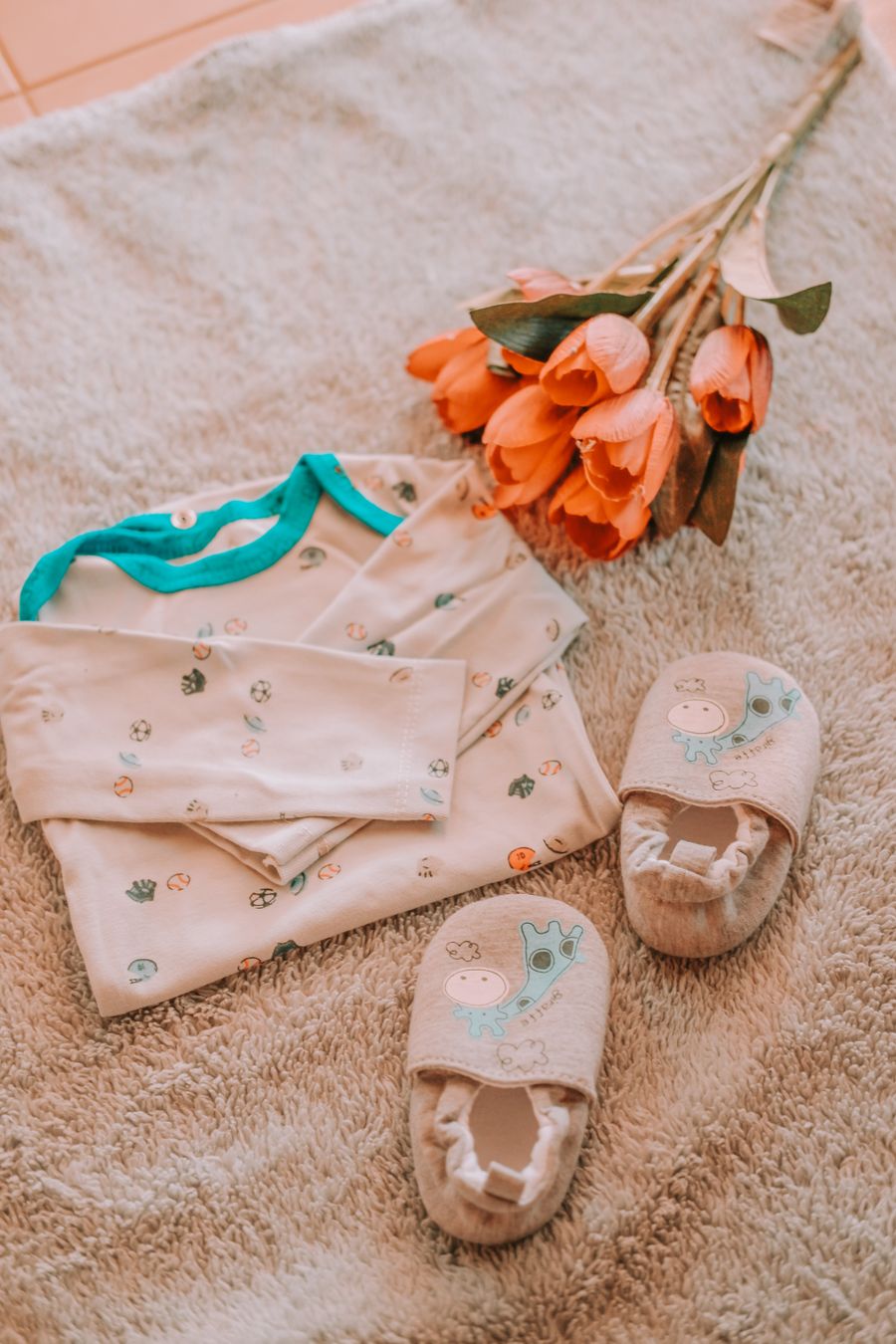
- Cooler days: a long-sleeve bodysuit with covered feet keeps the core warm without bulk.
- Very cold days: add a fine merino or brushed-cotton vest under the bodysuit, then the outer layer.
Avoid thick, scratchy fabrics directly against the skin. If a piece feels heavy in your hand, it is usually better as an outer layer than a base one.
Add one middle layer for warmth
The middle layer is your adjustable layer: a leggings-and-top set, a sleepsuit, or a light knit romper. This is the piece you remove first when you move from a chilly car into a warm room. Choose something that opens at the front so you are not pulling clothing over your baby's head when they are already fussy.
For autumn and spring, a cotton jersey set plus a light cardigan covers most days. For winter, swap the cardigan for a zip-up knit or a fleece-lined sleepsuit — but keep the base layer thin.
Use an outer layer for outside only
Prams and carriers get warm quickly. A padded pram suit is rarely needed indoors or in a car seat, and thick outerwear can interfere with car seat straps. Instead, use a lightweight padded suit or a blanket over the pram harness, and take it off as soon as you are inside.
For older babies who are crawling and walking, a water-resistant hooded jacket is more practical than a full suit: it keeps the wind out but leaves the legs free to move.
How to check if your baby is comfortable
Touch the back of the neck or the chest, not the hands or feet. Hands and feet often feel cool even when the body is warm. If the neck feels hot or damp, remove a layer. If it feels cool, add one thin layer. Never use a hat indoors for sleep, and keep bedding light.
One thin layer more than you would wear is a good starting point for a newborn — then check the neck and adjust.
A simple seasonal wardrobe
- Spring: five long-sleeve bodysuits, three leggings, two light cardigans, one thin blanket.
- Summer: five short-sleeve bodysuits, two cotton rompers, a wide-brim sun hat and a muslin swaddle.
- Autumn: four long-sleeve bodysuits, three sleepsuits, two knit cardigans, one padded gilet.
- Winter: four long-sleeve bodysuits, two vests, three fleece-lined sleepsuits, one pram suit and a hat.
Buy fewer pieces in better fabrics and wash them gently. A small, well-chosen wardrobe is easier to manage, easier to pack and gentler on your baby's skin.